
Space, Content, and System Confirmation
Review the spatial areas, audience flow, content scripts, playback systems, trigger methods, time plans, and delivery interfaces.
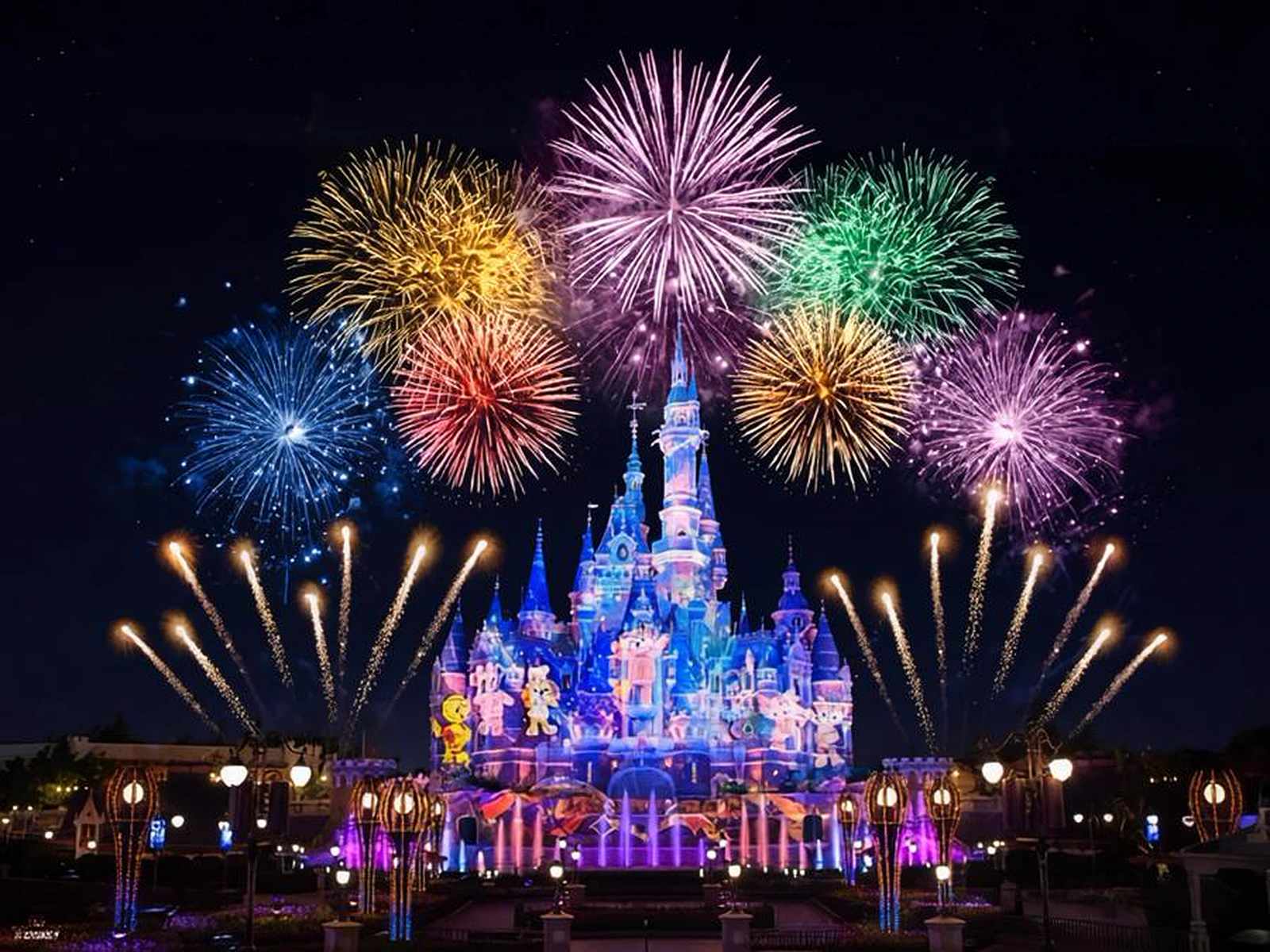
Character voices, original music, ambience, spatial sound design and multichannel mixing for attractions, exhibitions and immersive spaces.
We plan sound across visitor routes, zones and triggered moments, then test transitions and playback in the intended space.
Services at a glance
Explore the production decisions
Plan sound zones, directions, distances, and enveloping relationships based on spatial structure, speaker layout, and audience positions to achieve interactivity, positioning, and guidance. On-site, professionally calibrate the playback system to the best acoustic environment.
Organize dialogue, music, environmental sounds, and event sounds to enhance the audience's experience of entering, moving, staying, and leaving, controlling loop transitions and narrative pacing.
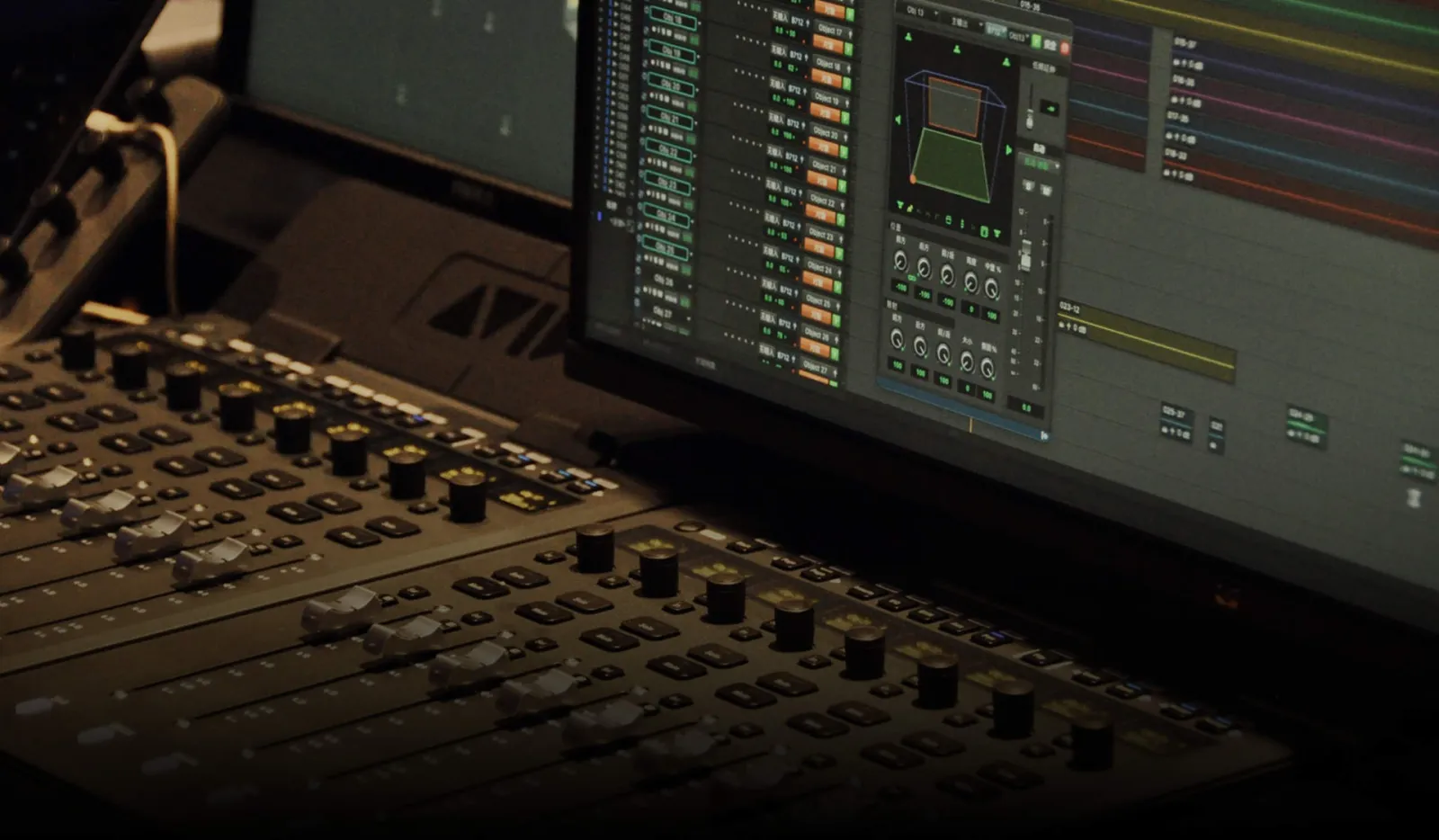
Organize assets and mixing based on channel configuration, zone playback, trigger methods, synchronization mechanisms, and on-site noise conditions to ensure content can be stably executed by the system.
Test and verify loudness, frequency, delay, coverage, switching, and interactive feedback on-site, and complete recorded adjustments and version confirmation based on real listening experience.
Every step is centered around content experience, technical interfaces, and actual playback environments, establishing clear nodes.
Review the spatial areas, audience flow, content scripts, playback systems, trigger methods, time plans, and delivery interfaces.
Define the functional roles of sound zones, content types, playback relationships, looping methods, interactive points, and overall experience rhythm.
Create characters, narration, guiding sounds, original music, music editing, environmental and event sound effects based on the scenario and experience goals.
Organize channels, zones, layers, dynamics, loops, and events to create a sound version for on-site integration.
Verify coverage, positions, delays, levels, frequencies, transitions, and interactive feedback in the actual space and make targeted adjustments.
Verify on-site confirmation results, file formats, naming, version lists, and backup projects, and deliver final sound assets.
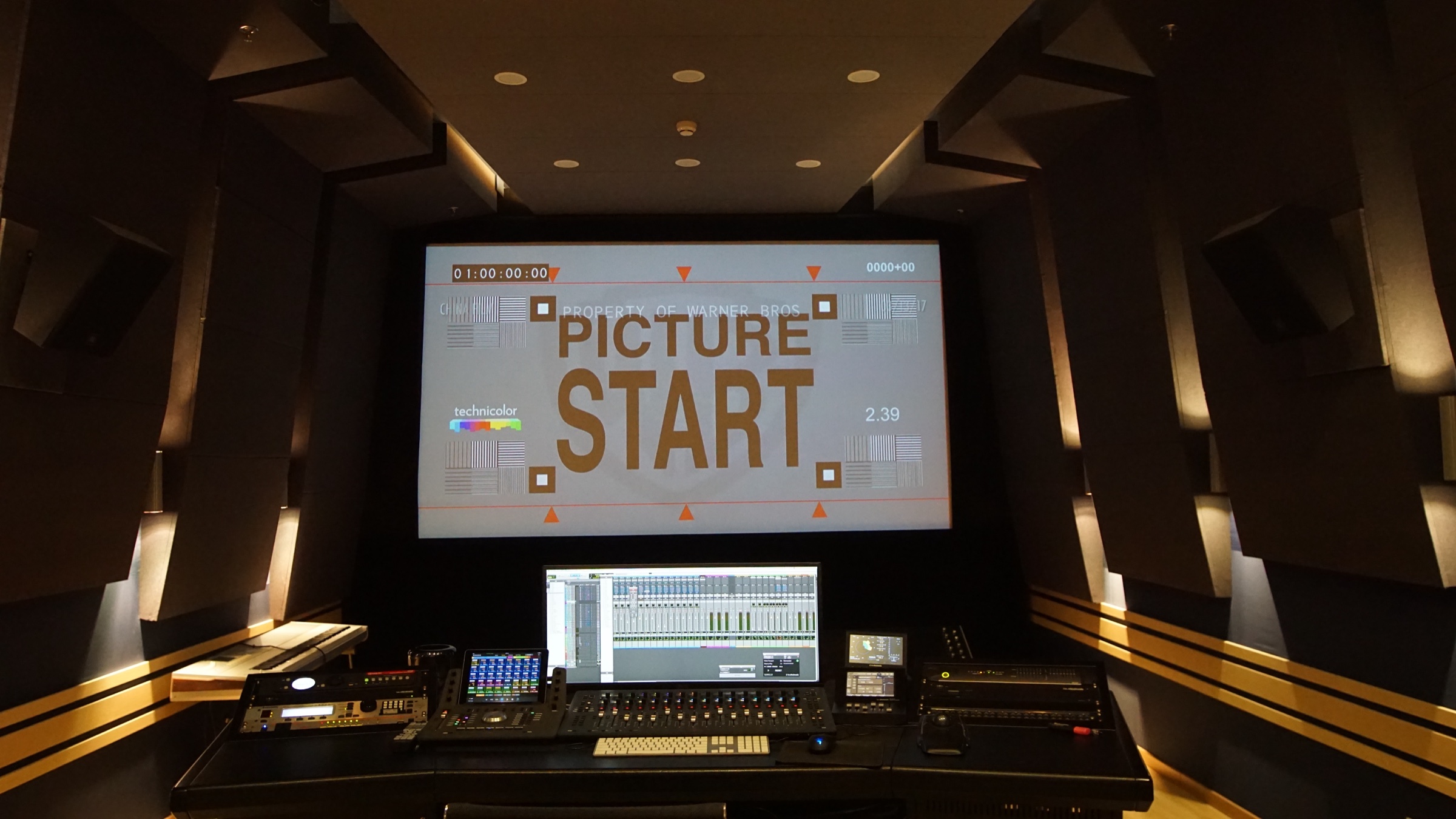
Cultural and immersive projects require organizing sound based on space, audience flow, playback systems, looping methods, and on-site environments, rather than just mixing for fixed visuals. The scope of production is determined based on the project design and technical conditions.
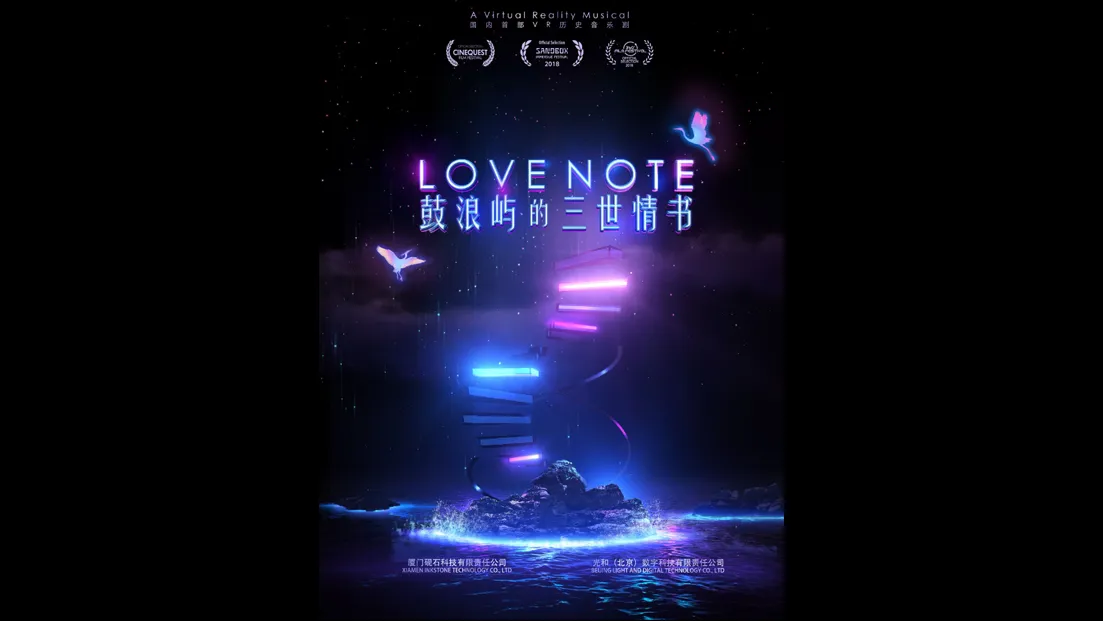
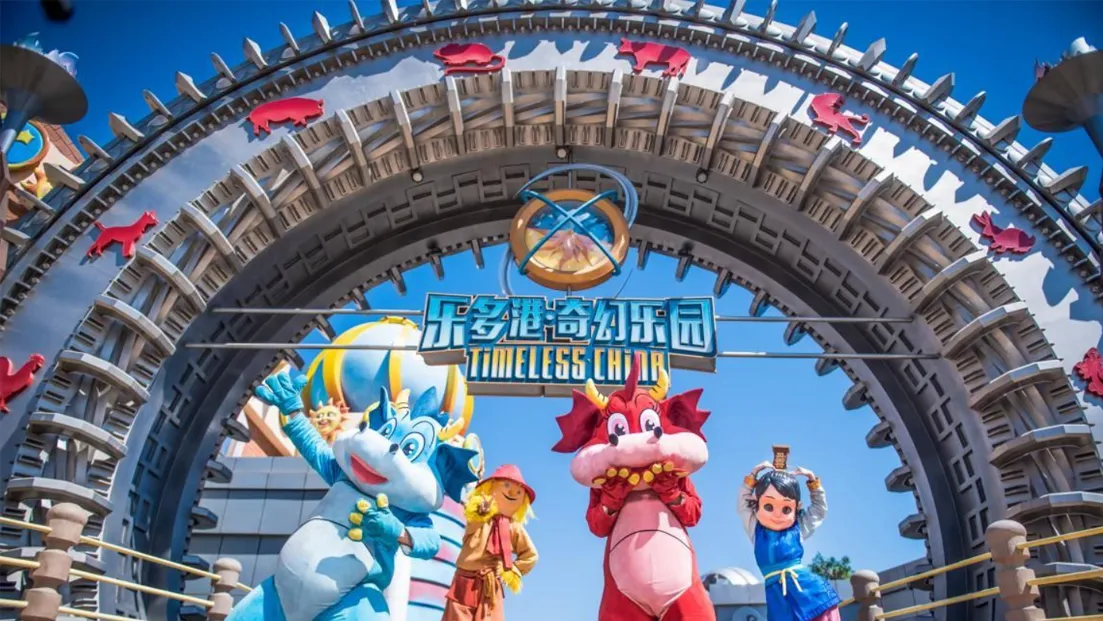
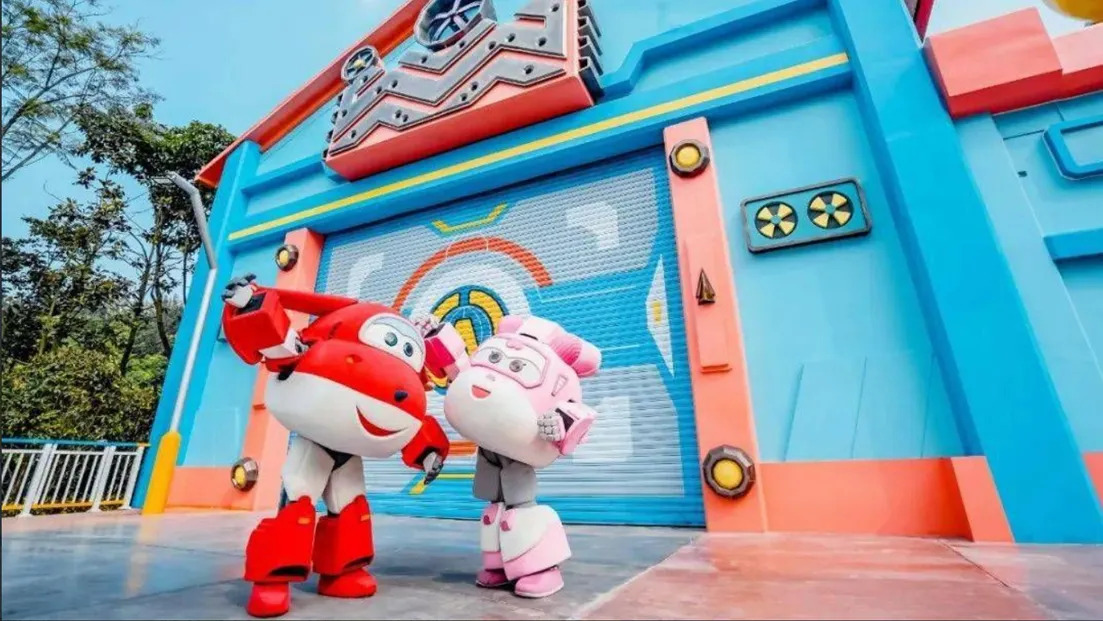
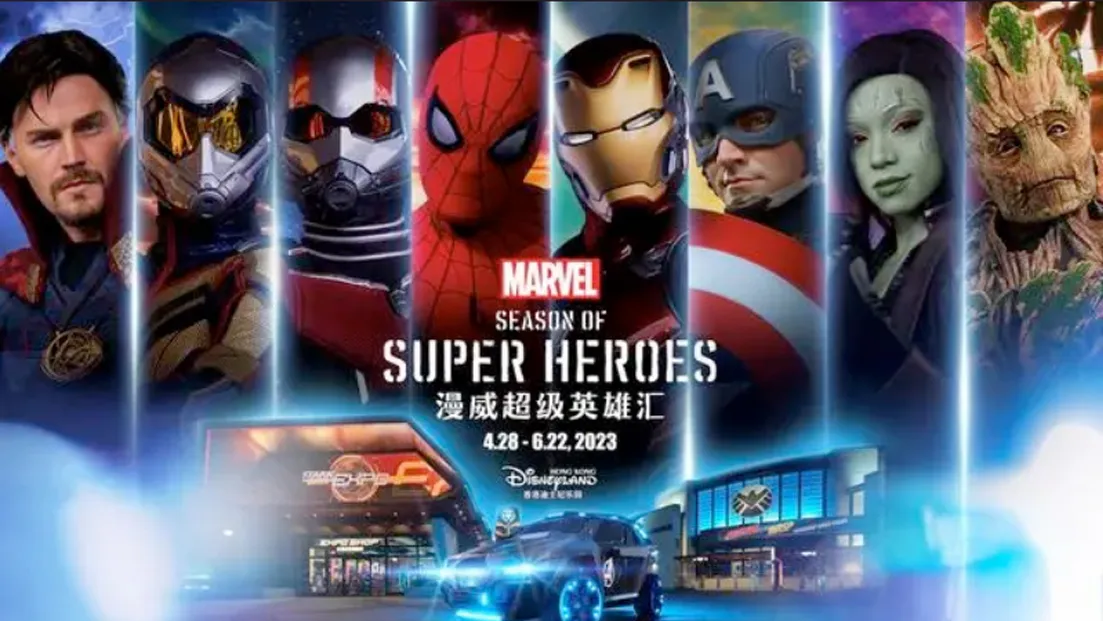
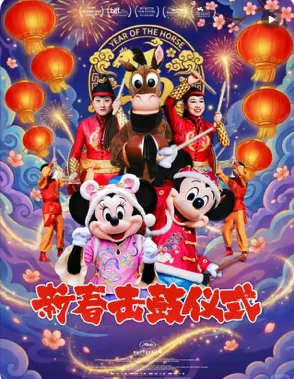
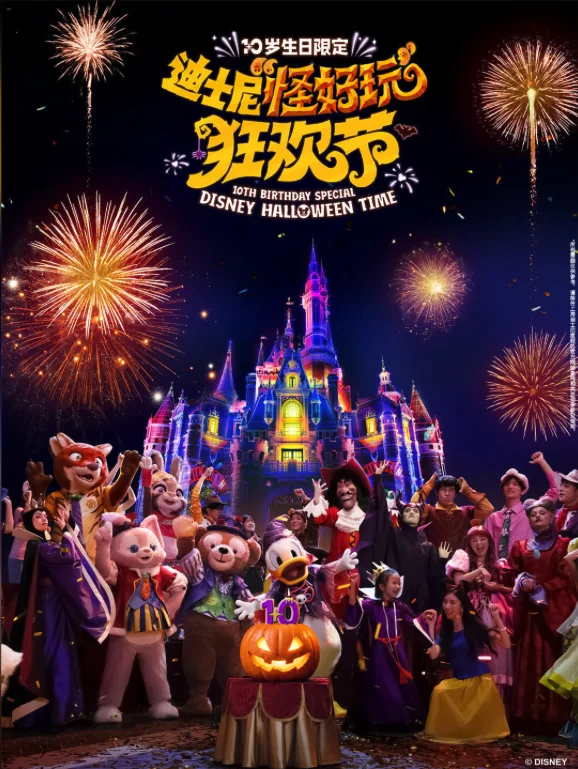
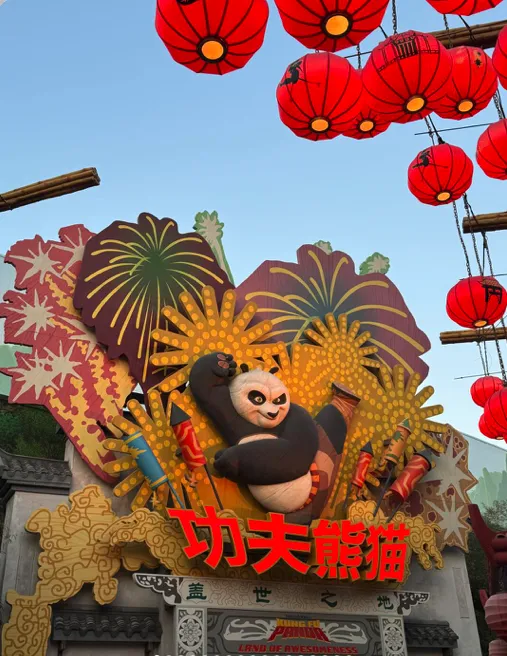
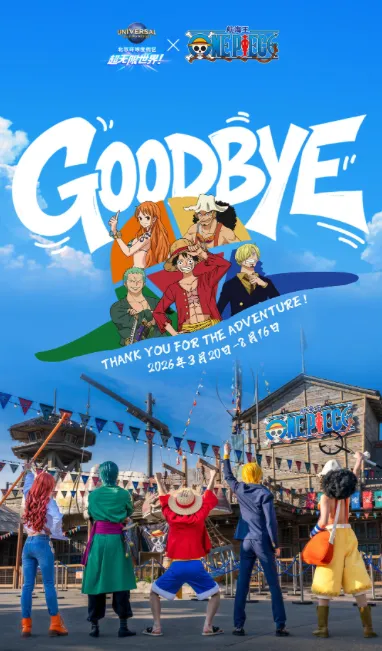
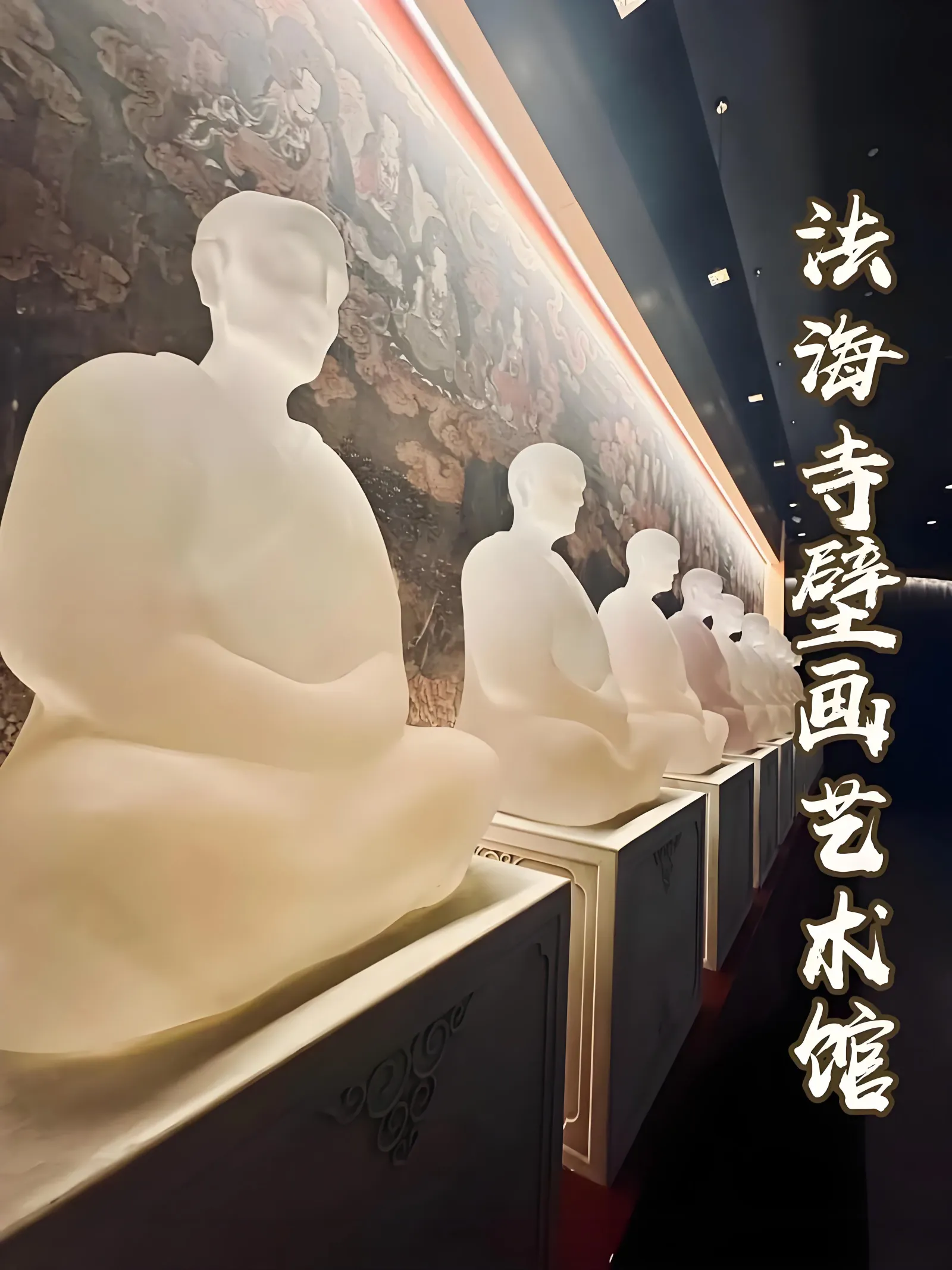
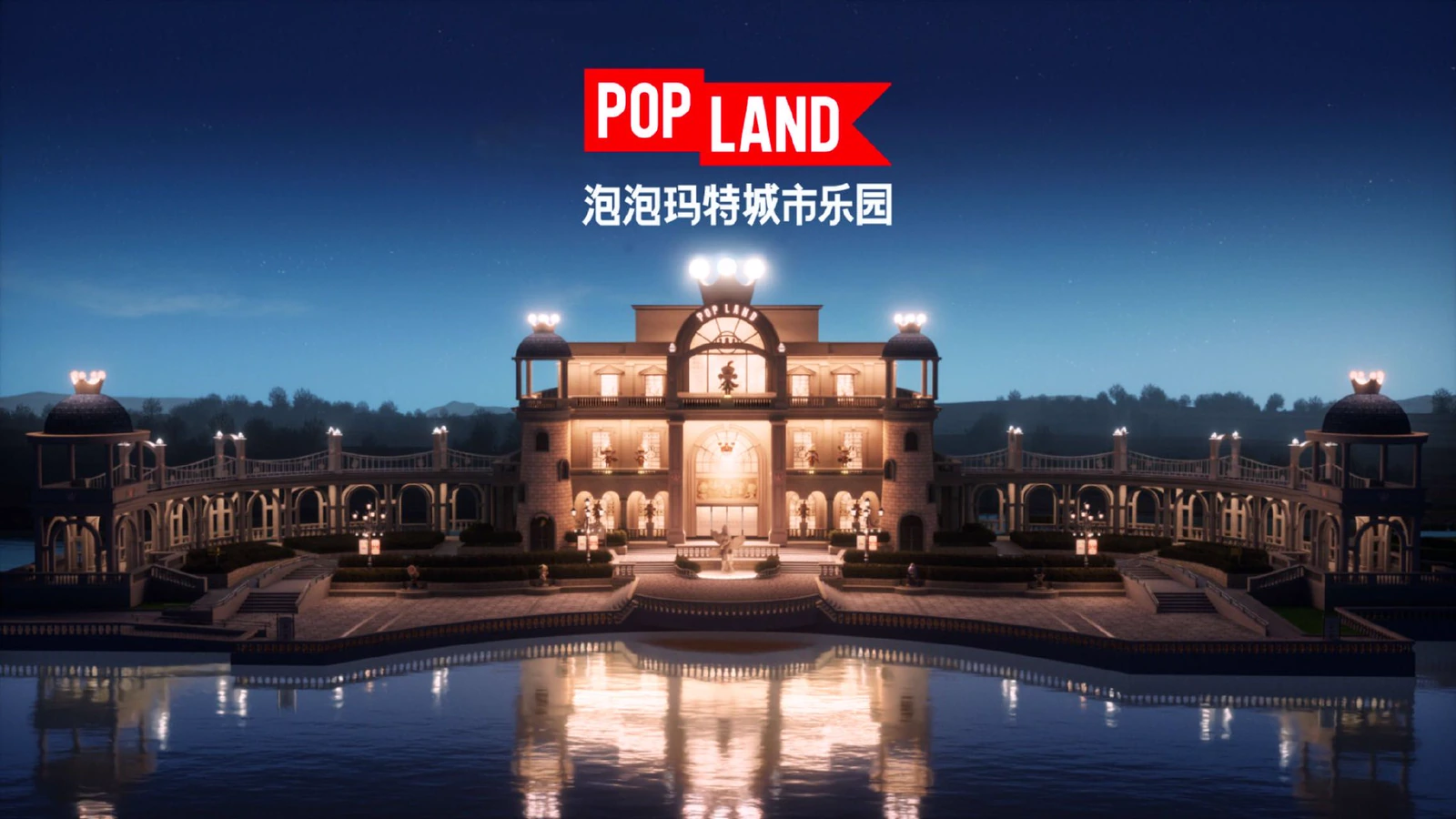
Selected projects span theme parks, museums, cultural heritage sites, movie towns and VR experiences, with work in dubbing, scoring, sound design, spatial audio and multichannel mixing.

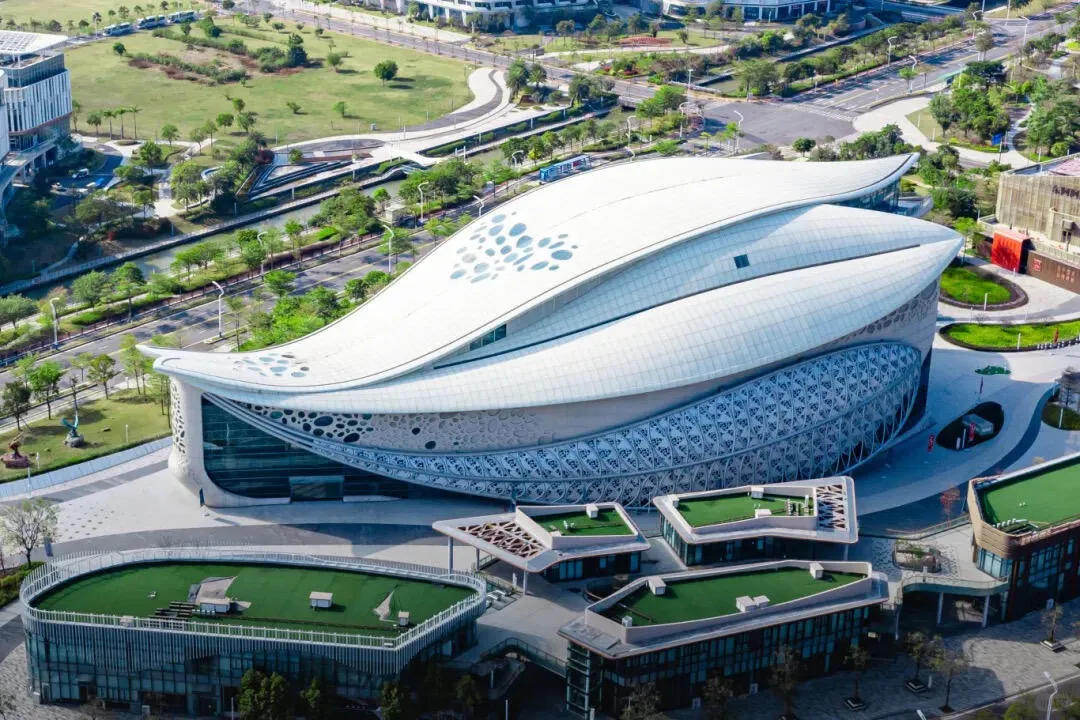
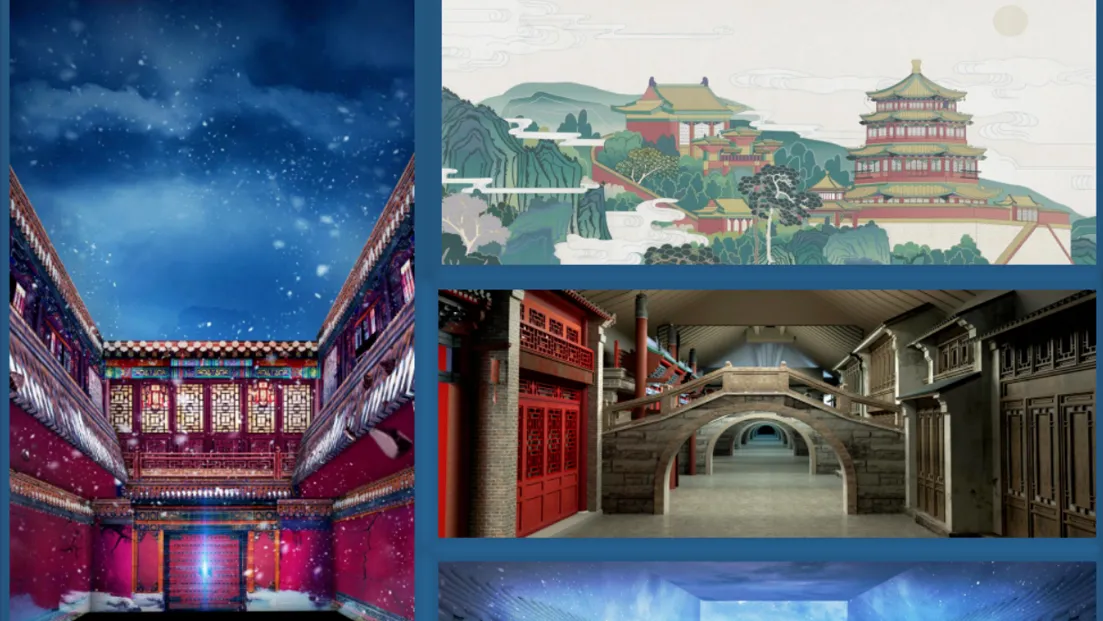











The boundaries of production are influenced by on-site systems and project phases, requiring early communication.
Yes. If we have the basic data on space, content, flow, and playback systems, we can first outline the sound zones, content types, production tasks, and delivery interfaces.
This typically includes space or area descriptions, audience flow, content scripts, visuals or demonstrations, playback systems, channel and trigger methods, project timelines, and delivery requirements.
Yes, we can handle any one or more of these. The team can work on the sound elements based on the overall sound design or the technical design already agreed upon by the client.
Please provide details on the project space, content form, audience flow, playback systems, timeline, and known delivery interfaces.
Discuss an Immersive Project